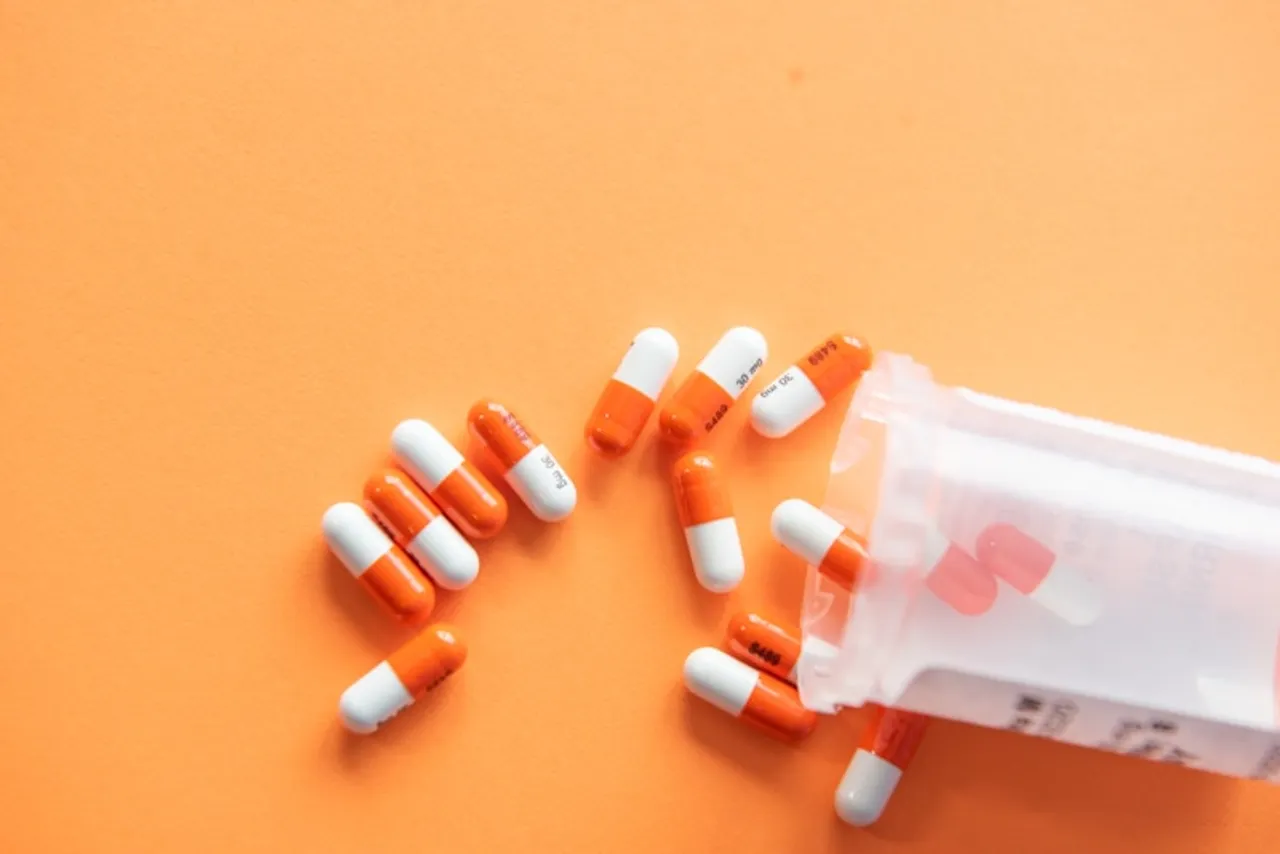
In October 2025, a drug designed entirely by artificial intelligence entered Phase II clinical trials for the first time. The molecule, developed by Insilico Medicine for idiopathic pulmonary fibrosis, had been identified, designed, and optimized by AI systems in 18 months — a process that traditionally takes four to five years. If it works, it won't just be a new treatment. It will be proof that AI can fundamentally accelerate how we develop medicine.
Why Drug Discovery Is So Hard
The statistics are brutal. It takes an average of 12 to 15 years and $2.6 billion to bring a single new drug to market. Over 90% of drug candidates that enter clinical trials fail. The process involves searching a chemical space of approximately 10^60 possible drug-like molecules — a number so large it makes the number of atoms in the universe look manageable.
Traditional drug discovery is essentially educated guessing: identify a biological target, screen thousands of compounds against it, optimize the best candidates through years of iterative chemistry, and hope that what works in a test tube also works in humans. It's expensive, slow, and has a staggering failure rate.
What AI Brings to the Table
AI attacks drug discovery from multiple angles simultaneously:
Target identification — AI models analyze genomic data, protein interactions, and disease pathways to identify which biological targets are most likely to be relevant. DeepMind's AlphaFold provides the 3D structures these targets need for drug design.
Molecule generation — Generative AI can design novel molecules with specific properties: the right shape to bind a target, the right solubility to be absorbed, the right stability to survive the digestive system. Instead of screening existing libraries, AI creates bespoke molecules from scratch.
Toxicity prediction — One of the biggest reasons drugs fail in clinical trials is unexpected toxicity. AI models trained on historical data can predict toxic effects before a molecule is ever synthesized, filtering out dangerous candidates early.
Clinical trial optimization — AI can identify the patient populations most likely to respond to a treatment, design more efficient trial protocols, and predict outcomes from early data.
The Results So Far
The AI drug discovery pipeline is filling up rapidly:
- Insilico Medicine has multiple AI-designed drugs in clinical trials for fibrosis, cancer, and inflammatory diseases
- Recursion Pharmaceuticals uses AI to analyze cellular images, identifying drug effects that human researchers would miss
- Isomorphic Labs (a DeepMind spinoff) is applying AlphaFold technology directly to drug design
- Exscientia got an AI-designed molecule into clinical trials in just 12 months from target selection
- Major pharma companies — Pfizer, Novartis, Sanofi — have all signed AI partnerships worth hundreds of millions
The Reality Check
Enthusiasm should be tempered by realism. No AI-designed drug has completed clinical trials and reached patients yet. The hardest part of drug development — proving that a drug is safe and effective in humans — can't be simulated. Biology remains stubbornly unpredictable.
There are also concerns about data quality. AI models are only as good as their training data, and pharmaceutical data is notoriously messy, biased toward certain disease areas, and often locked behind proprietary walls.
The Promise
But even skeptics acknowledge that AI is compressing timelines and reducing costs in the early stages of discovery. If AI can cut the pre-clinical phase from five years to one, and improve the success rate of clinical candidates even modestly, the impact on human health would be enormous. Rare diseases that pharma companies won't invest in because the market is too small could become viable targets. Antibiotic resistance — a crisis where traditional drug discovery has largely given up — could be addressed with AI-designed novel compounds.
The first AI-designed drug to reach patients will change medicine. It's not a matter of if. It's a matter of when.