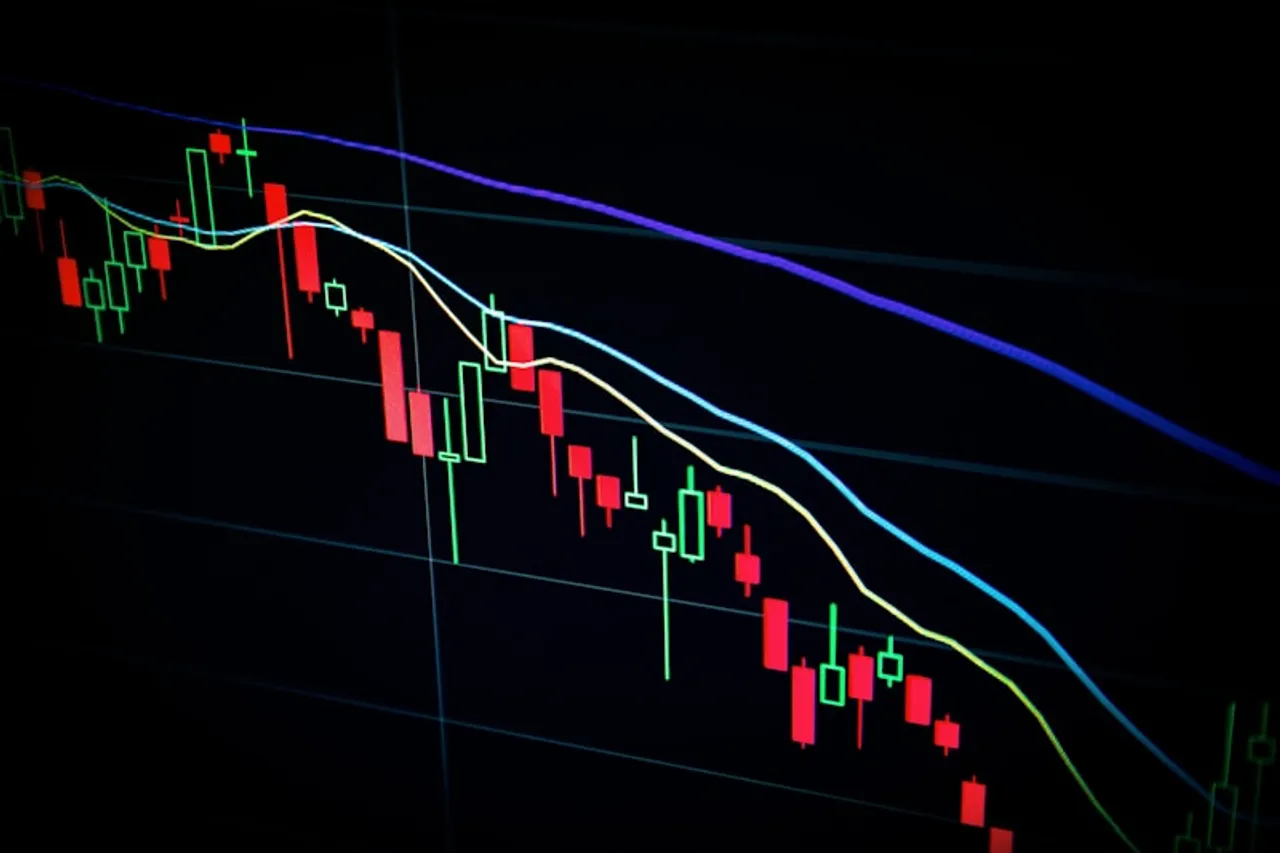
On a quiet Thursday in January 2026, an AI trading system at a major hedge fund detected a subtle pattern in satellite imagery of Chinese shipping ports, correlated it with real-time container pricing data and social media sentiment from logistics executives, and executed a series of trades in commodity futures — all within 300 milliseconds of receiving the satellite data. The position made $43 million by market close. No human was involved in any step of the process.
This isn't science fiction. It's a Tuesday in modern finance.
The Quantitative Revolution 2.0
Algorithmic trading isn't new — quantitative funds have used mathematical models for decades. But the AI era has changed the game fundamentally. Traditional quant models used predefined factors: price momentum, value ratios, volatility patterns. AI models find their own factors — patterns in data that no human analyst would think to look for.
The firms leading this shift read like a who's who of wealth:
- Renaissance Technologies — Jim Simons' legendary fund, arguably the first to use machine learning at scale, has returned an average of 66% annually before fees in its Medallion fund
- Two Sigma — manages $60 billion using AI models that process everything from weather data to patent filings
- Citadel — Ken Griffin's $65 billion empire uses AI across market making, trading, and risk management
- D.E. Shaw — one of the earliest AI-driven funds, now managing over $60 billion
- Jane Street — a trading firm so reliant on technology that it hires more engineers than traders
What AI Actually Does in Finance
Sentiment analysis at scale. AI reads earnings calls, press releases, social media, news articles, and regulatory filings in real-time, extracting market-relevant signals from natural language. A CEO's slightly unusual word choice on an earnings call can trigger a trade before human analysts finish listening.
Alternative data processing. Satellite imagery of parking lots (predicting retail earnings), credit card transaction data (tracking consumer spending in real-time), shipping container movements (forecasting trade flows), app download counts (predicting tech company growth). AI turns data that's too large and unstructured for humans into trading signals.
Risk management. AI models continuously assess portfolio risk across thousands of correlated positions, stress-testing against scenarios that traditional models wouldn't consider. During the 2023 regional banking crisis, AI-driven funds detected the contagion risk from Silicon Valley Bank days before most human analysts.
Market making. AI systems provide liquidity by continuously quoting bid and ask prices, adjusting in milliseconds based on market conditions. This is where the speed advantage is most extreme — the difference between a millisecond and a microsecond can be worth millions.
The Arms Race Problem
When everyone has AI, the advantage shifts to whoever has better AI, more data, and faster infrastructure. This creates an arms race with diminishing returns — firms spend billions on marginal improvements that are quickly matched by competitors. The winners are the chip manufacturers, data providers, and AI talent being hired at astronomical salaries.
A senior ML engineer at a top quant fund can earn $1-5 million per year. The competition for talent is so fierce that firms recruit directly from AI research labs, offering compensation that academia can't remotely match. This brain drain from AI research to finance is a concern for the broader AI community.
Should Retail Investors Worry?
The honest answer is: probably not more than before. AI-driven trading primarily extracts profits from other sophisticated market participants, not from retail investors buying index funds. If anything, AI market-making has reduced trading costs for everyone by tightening bid-ask spreads.
But the concentration of AI capability in a handful of firms raises systemic questions. When algorithms trained on similar data make similar decisions, they can amplify market moves rather than dampen them. Flash crashes — like the one in 2010 or the 2024 yen carry trade unwind — become more likely when AI systems interact in unexpected ways.
The regulators are behind, as usual. The SEC is still developing frameworks for AI-driven trading oversight. Until then, the algorithms trade on.