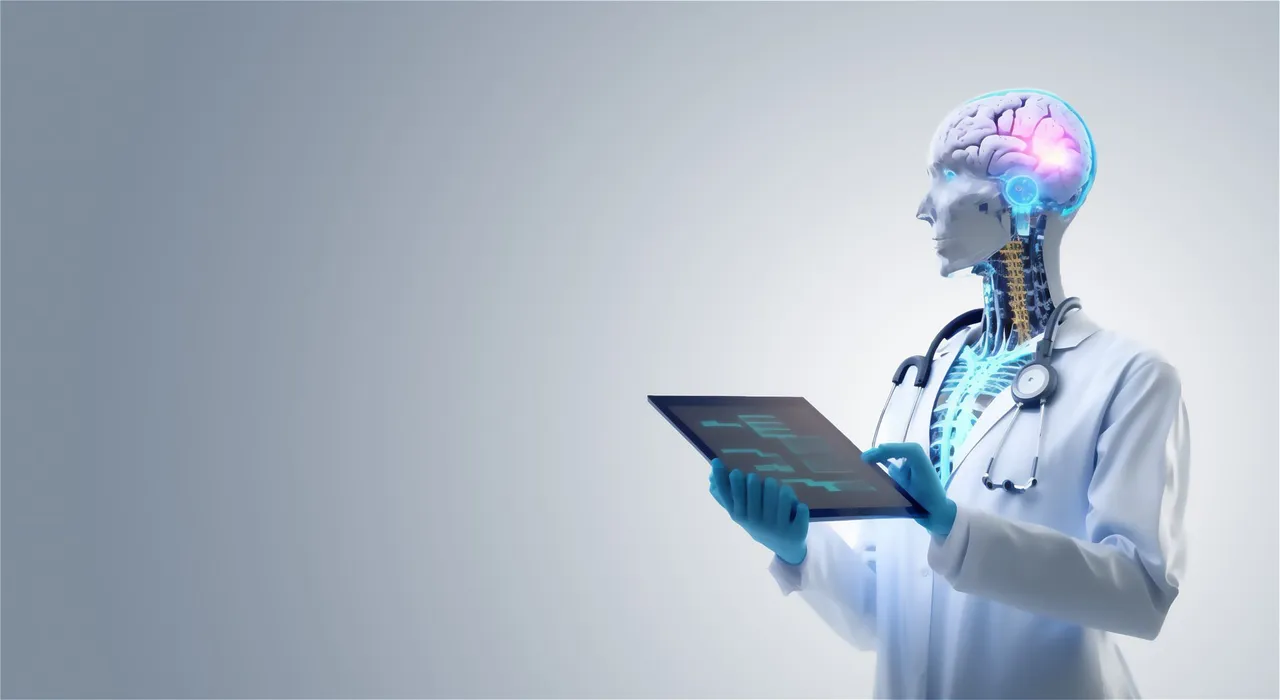
In March 2026, a landmark study published in Nature Medicine demonstrated that AI diagnostic systems now outperform human radiologists in detecting early-stage pancreatic, lung, and breast cancers. The AI models, developed through a collaboration between Stanford Medicine, DeepMind Health, and Mayo Clinic, achieved a 94.7% accuracy rate in identifying malignancies that human experts missed in initial screenings. This isn't incremental improvement—it's a fundamental shift in how we approach medical diagnosis.
The Numbers That Change Everything
Pancreatic cancer has a five-year survival rate of just 12% largely because it's typically detected too late. The new AI system identified pancreatic tumors an average of 11 months earlier than traditional diagnostic pathways, potentially transforming one of medicine's deadliest cancers into a treatable condition. For lung cancer, the AI reduced false positives by 37% compared to human radiologists, meaning fewer unnecessary biopsies and reduced patient anxiety.
The system works by analyzing not just individual scans but patterns across millions of medical images, incorporating patient history, genetic markers, and subtle indicators that human eyes simply cannot process at scale. It's trained on the largest medical imaging dataset ever assembled—over 15 million anonymized scans from 47 countries.
How Doctors Are Actually Using It
Contrary to fears of AI replacing physicians, the deployment model positions AI as a diagnostic partner. Radiologists review AI-flagged cases with enhanced context—the system highlights specific regions of concern, provides confidence scores, and references similar historical cases. Early adopters report that this collaboration reduces diagnostic time by 40% while significantly improving accuracy.
Dr. Sarah Chen, Chief of Radiology at Stanford Medical Center, describes the workflow: 'The AI pre-screens every scan and prioritizes cases by urgency. What used to take our team two days to review now takes six hours, and we're catching things we would have missed. It's not about replacement—it's about augmentation that saves lives.'
The Global Health Equity Angle
Perhaps the most transformative impact is in regions with severe shortages of medical specialists. Rural hospitals in India, sub-Saharan Africa, and Southeast Asia are deploying these AI systems to provide diagnostic capabilities that would otherwise require specialists who simply aren't available. A clinic in rural Kenya with no radiologist on staff can now provide cancer screening comparable to major urban hospitals.
The World Health Organization estimates that this technology could provide quality diagnostic screening to an additional 2.3 billion people who currently lack access to specialist care. The cost is dramatically lower than training and deploying human specialists—a single AI system can analyze thousands of scans daily at a fraction of the cost of a radiology department.
Regulatory Approval and Challenges Ahead
The FDA granted breakthrough device designation to three AI diagnostic platforms in early 2026, fast-tracking their deployment in US hospitals. The European Medicines Agency followed with conditional approvals under strict monitoring requirements. However, liability questions remain unsettled: when AI misses a diagnosis or generates a false positive, who bears responsibility—the software developer, the hospital, or the physician who relied on the AI's recommendation?
Insurance reimbursement models are also adapting. Several major US insurers now cover AI-assisted diagnostic screenings, recognizing that early detection dramatically reduces long-term treatment costs. The economic case is compelling: spending $200 on an AI-enhanced screening that catches cancer a year earlier can save $500,000 in late-stage treatment costs.
What This Means for Patients
For individuals, the immediate impact is access to better screening. Many hospitals are now offering AI-enhanced annual cancer screenings as part of preventive care packages. The technology is particularly valuable for high-risk populations—those with family histories of cancer, genetic predispositions, or occupational exposures.
The psychological impact is equally significant. Faster, more accurate diagnoses mean less time in the agonizing uncertainty between a suspicious finding and a definitive answer. Patients receive clearer explanations—AI systems can generate visual aids showing exactly what was detected and why it's concerning, making complex medical findings more comprehensible.
We're witnessing the beginning of a healthcare transformation where AI doesn't replace human expertise but amplifies it to levels previously impossible. The question is no longer whether AI will transform medicine—it's how quickly we can scale these capabilities to everyone who needs them.